
Alhgoh Together as One, Together as Community: Pathway to Indigenous Cultural Safety
Health professionals in British Columbia are practicing within a health system that has formally recognized Indigenous-specific racism and implemented new regulatory standards for Indigenous Cultural Safety, Cultural Humility, and Anti-Racism. Meeting these standards requires more than awareness—it requires reflection, practical skills, and meaningful changes in day-to-day clinical practice.
This self-paced online course supports primary and community care providers in translating cultural safety and humility into action. Grounded in current provincial practice standards, the course examines how colonialism and anti-Indigenous racism continue to shape health outcomes and care experiences for Indigenous Peoples. Participants explore the role of self-reflection in clinical practice, trauma- and violence-informed approaches, respectful communication, and strategies to address power imbalances in care.
Designed for busy clinicians, this course combines clinical scenarios, reflective exercises, and practical tools that can be implemented immediately in practice. Whether you are early in your learning or building on prior training, this course supports your ongoing professional responsibility to provide culturally safe, respectful, and anti-racist care to Indigenous patients and communities.
About the Title
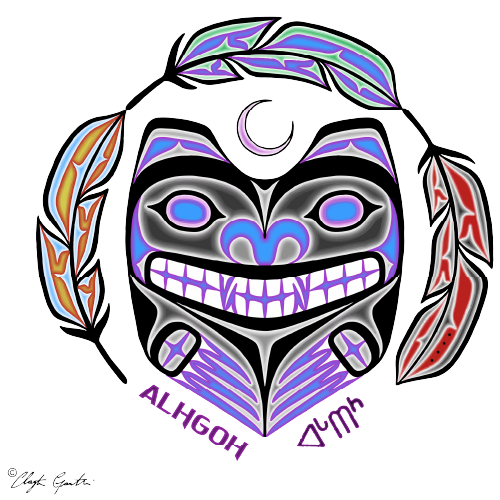
Alhgoh is a word used in Dakelh and neighbouring Wet’suwet’en languages, meaning “together as one, together as a community.” It reflects a shared commitment to unity, relationality, and collective responsibility—principles that are foundational to Indigenous approaches to health and wellbeing. This course is grounded in that spirit. It invites health professionals to move beyond individual awareness toward relational, community-informed practice that supports culturally safe, respectful, and anti-racist care.
Language confirmation and guidance provided by Elders Violet Bozoki (Lheidli T’enneh), Armond Sam (Nak'azdli Whut'en), and Peter George (Wet’suwet’en). Artist: Clayton
The course is divided into 5 lessons:
- Lesson 1: Introduction and Practice Standard
- Lesson 2: Awareness and Self-Reflective Practice
- Lesson 3: Acknowledge the Past and Present to Move Forward
- Lesson 4: Culturally Safe Care in Practice
- Lesson 5: Advancing System-Wide Anti-Racist Practice
By the end of this course, you will be able to:
- Acknowledge the harms colonialism and Indigenous-specific racism cause to Indigenous people, their health, and their health experiences.
- Implement strategies to deliver culturally safe care in practice.
- Recognize self-reflective practice as foundational to Indigenous cultural safety and humility.
- Describe how Indigenous peoples’ connection to community, land, and culture is a determinant of health.
- Reflect on your responsibility and any opportunity to build an anti-racist practice with people seeking care and across the health system.

This course was developed and designed in partnership with UBC CPD and First Nations Health Authority.
Funding for this project and continued support for ongoing participant fees and hosting generously provided by First Nations Health Authority and Ministry of Health.
The Division of Continuing Professional Development, University of British Columbia Faculty of Medicine (UBC CPD) is fully accredited by the Continuing Medical Education Accreditation Committee (CACME) to provide CPD credits for physicians. This activity is an Accredited Self-Assessment Program (Section 3) as defined by the Maintenance of Certification Program of the Royal College of Physicians and Surgeons of Canada, and approved by UBC CPD. You may claim a maximum of 4.0 hours (credits are automatically calculated). This activity meets the certification criteria of the College of Family Physicians of Canada and has been certified by UBC CPD for up to 4.0 Mainpro+® Certified Activity credits. Each physician should claim only those credits accrued through participation in the activity.