
Nawh Whu’nus’en - We See in Two Worlds: Trauma sensitive practices for collectively healing in relationship Level 1 (Sep 9)
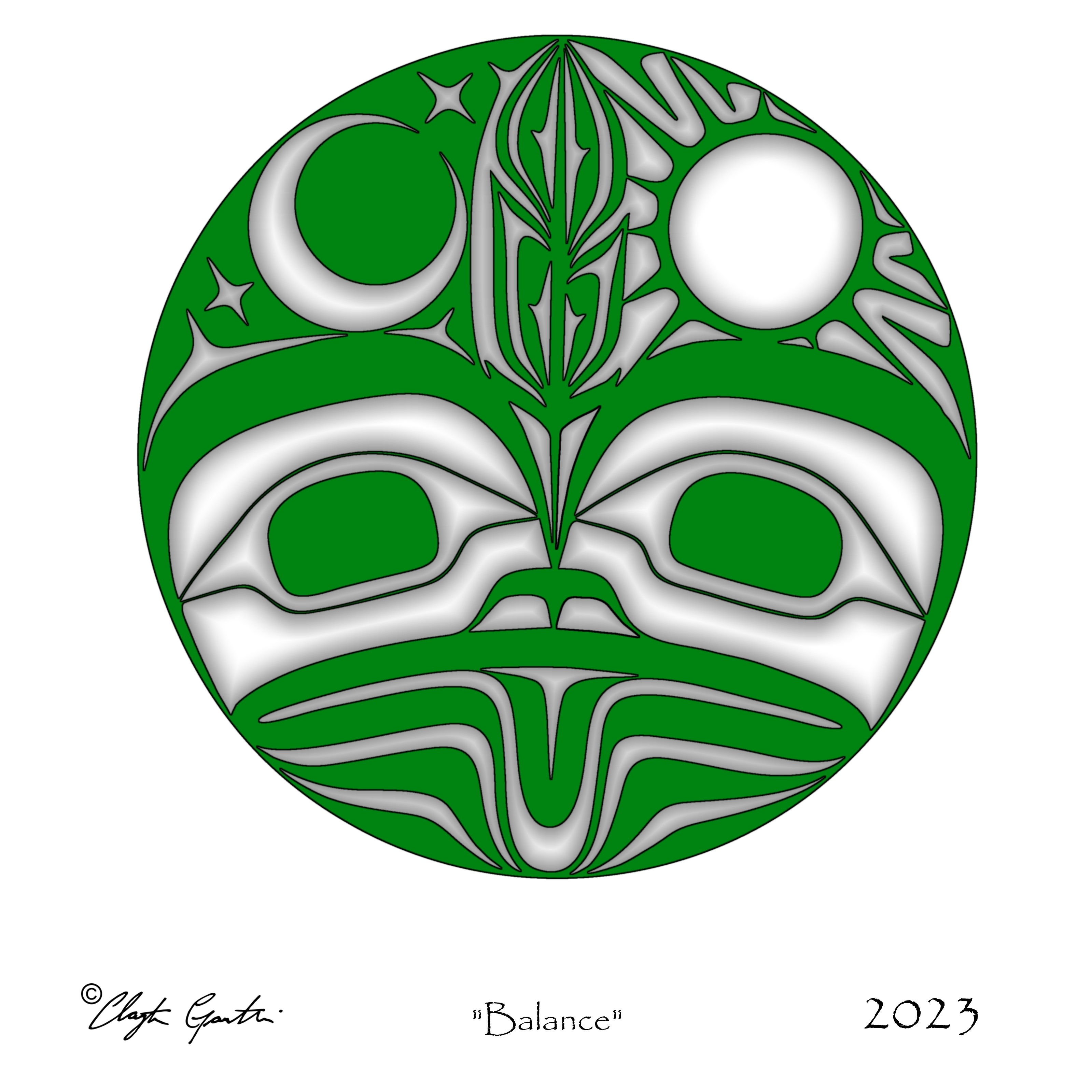
This workshop is funded by the Joint Standing Committee on Rural Issues. Therefore, registration is prioritized for physicians and other regulated health professions practicing and serving rural BC. Please note the registration windows below.
- Until August 26, 2026: registration is open for currently practicing health care professionals who serve rural BC.
- August 26 - September 4, 2026: General registration (subject to availability).
The Nawh Whu’nus’en – We See in Two Worlds Level 1 Workshop is based on a widely accepted understanding that trauma-sensitive practices are the basis for offering culturally-safe and respectful health services for Indigenous relatives. It draws upon two-eyed seeing models, weaving together Indigenous ways of knowing with western trauma theory and neuroscience. It blends Dr. Michael Yellowbird’s work around neuro decolonization, Dr. Stephen Porges’ contributions around polyvagal trauma theory, and experiential Indigenous land-based healing practices to highlight the power of ceremony for reclaiming and maintaining wellness in body, mind and spirit.
The curriculum recognizes that health professionals and patients work in relationship, and a trauma-sensitive approach can help to build respectful, trusting relationships. The learning in this curriculum is directed inwards as well as outwards, inviting participants to learn not only about new approaches to practice, but also reflect on their own experiences of trauma and ways to support their own wellness.
This workshop supports health professionals in rural British Columbia to meet new provincial expectations and standards to provide culturally safe care, including the College of Physicians and Surgeons of BC’s new Practice Standard — Indigenous Cultural Safety, Cultural Humility and Anti-Racism; recommendations in the In Plain Sight: Addressing Indigenous-specific Racism and Discrimination in BC Health Care (2020) report; the Rural Coordination Centre of BC’s Site Visits with Indigenous communities; and the Truth and Reconciliation Commission of Canada’s Calls to Action for health.
This curriculum consists of Level 1 and Level 2 online workshops and is available for any registered health care provider who practices in rural BC.
Indigenous Patient-Led CPD (IPL) aims to improve Indigenous health outcomes by increasing access to culturally safe care for Indigenous Peoples and communities in BC rural settings. Read more about Indigenous Patient-Led CPD. The Indigenous Patient-Led CPD project was developed and is operated by the UBC Faculty of Medicine's Division of Continuing Professional Development (CPD) in partnership with the Rural Coordination Centre of BC. Funding for IPL was provided by the Joint Standing Committee on Rural Issues, a joint committee of the Doctors of BC and BC Ministry of Health.

Please contact the program at @email with any questions.
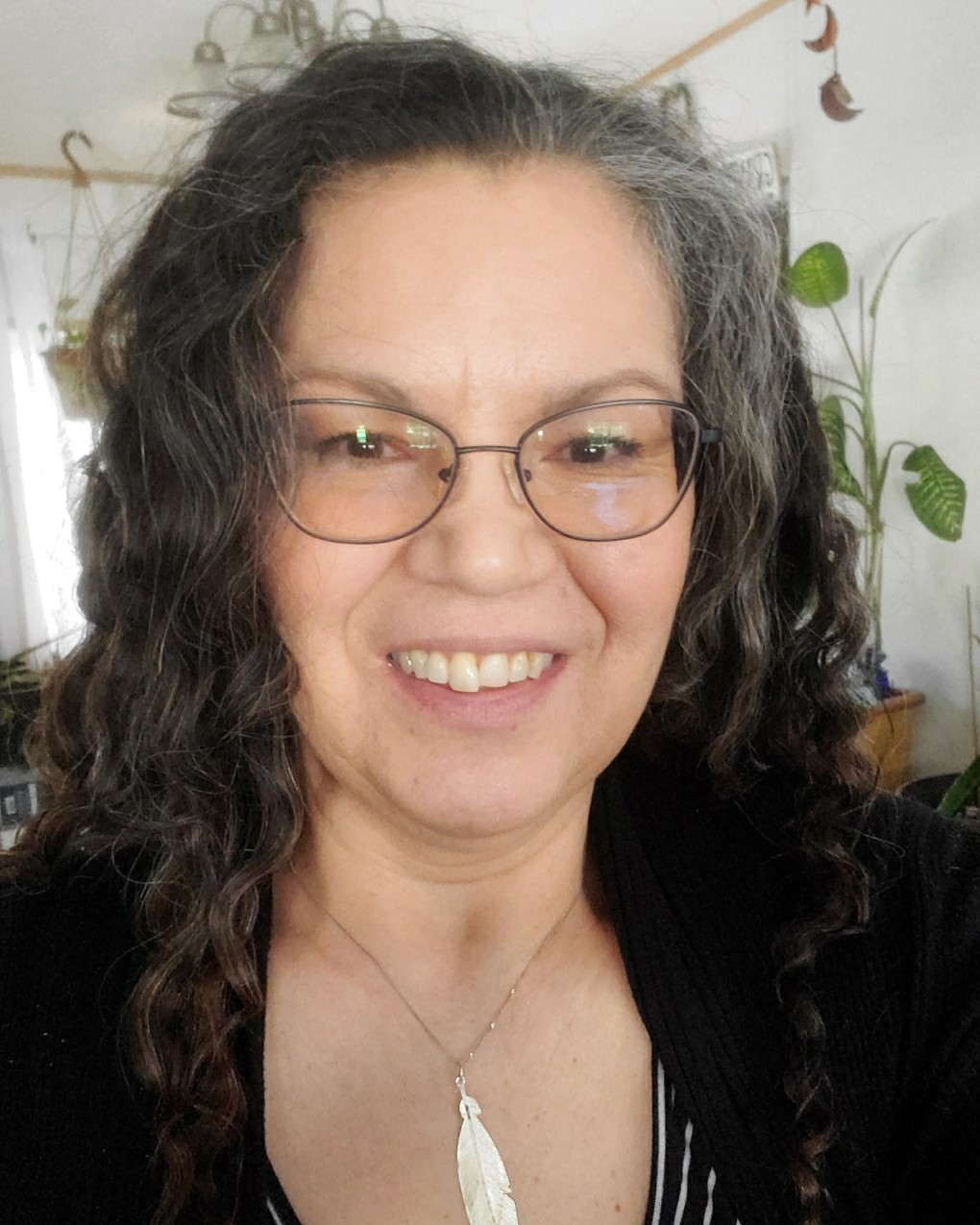
| Elder Cheryl Schweizer is a member of Tl’azt’en Nation and Frog clan. She has six children and twelve grandchildren. Elder Cheryl has been with the UBC CPD since 2020 to assist in the work on cultural safety and humility in rural BC along with Dr. Elder Roberta Price. Elder Cheryl also sits on the Provincial Elder Perinatal Substance Use Project committee where she supported the development of the Elders Visioning Perinatal Substance Use Elders Information Handbook. She also sits on the Elders Advisory Table with Community Living BC and was elected to the Prince George Native Friendship board as an Elder. She has worked closely with Elders since early 2000. |
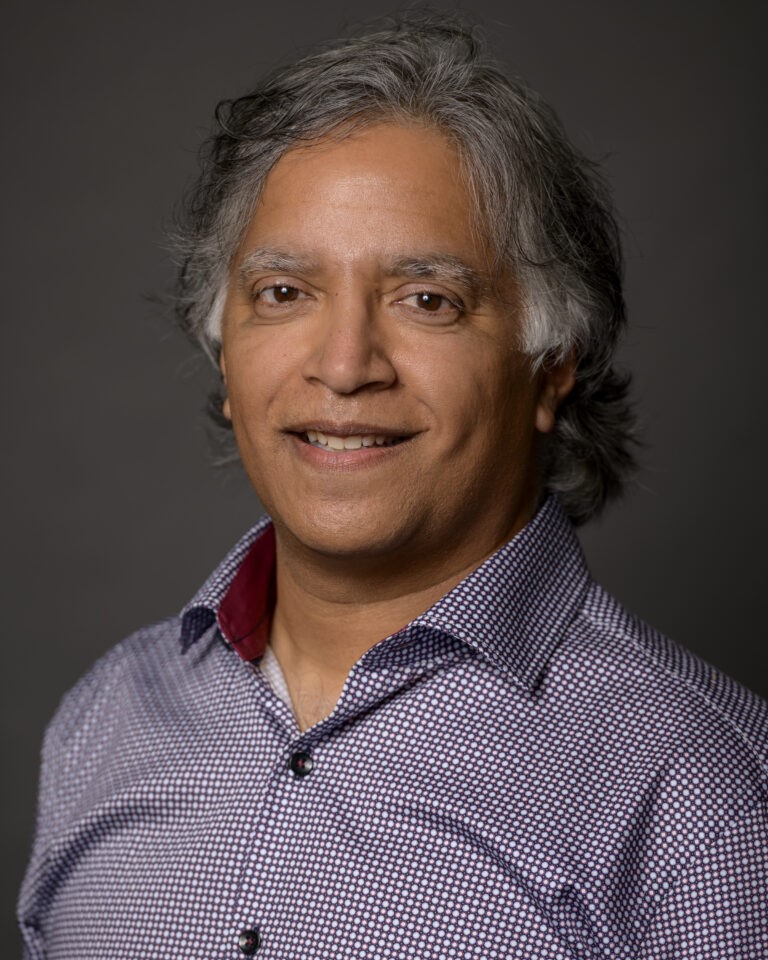
| Dr. Rahul Gupta is a settler born on the lands of the Anishinaabe people and now lives and works on the ancestral and unceded lands of the shíshálh and Sḵwx̱wú7mesh Nations. He works as an integrative medical physician, professional coach, mindfulness instructor, and advocate for provider wellness. He also is a Somatic Experiencing (SE) Practitioner and integrates trauma-sensitive approaches into all trainings. He has over 18 years of supporting health-care providers and teams in cultivating compassionate self & situational awareness. |
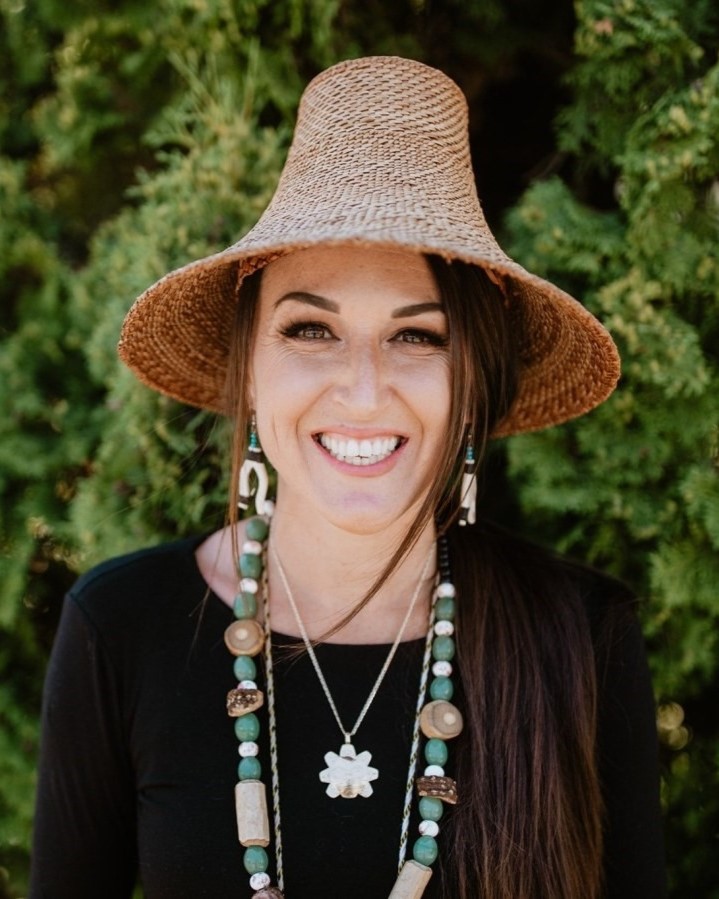
| N'alaga (Avis O'Brien) is a Haida and Kwakwaka’wakw artist and consultant specializing in practices of decolonization through land-based healing practices, cedar bark weaving, and a lifetime of experience as a Haida & Kwakwaka’wakw woman navigating the world. N’alaga has dedicated years to preserving her cultural teachings by continuing the work of her ancestors and creating safe spaces for Indigenous people to learn, heal, and reclaim empowered states of being. N’alaga offers trauma sensitive, culturally safe processes for suicide and relapse prevention through an Indigenous lens. |
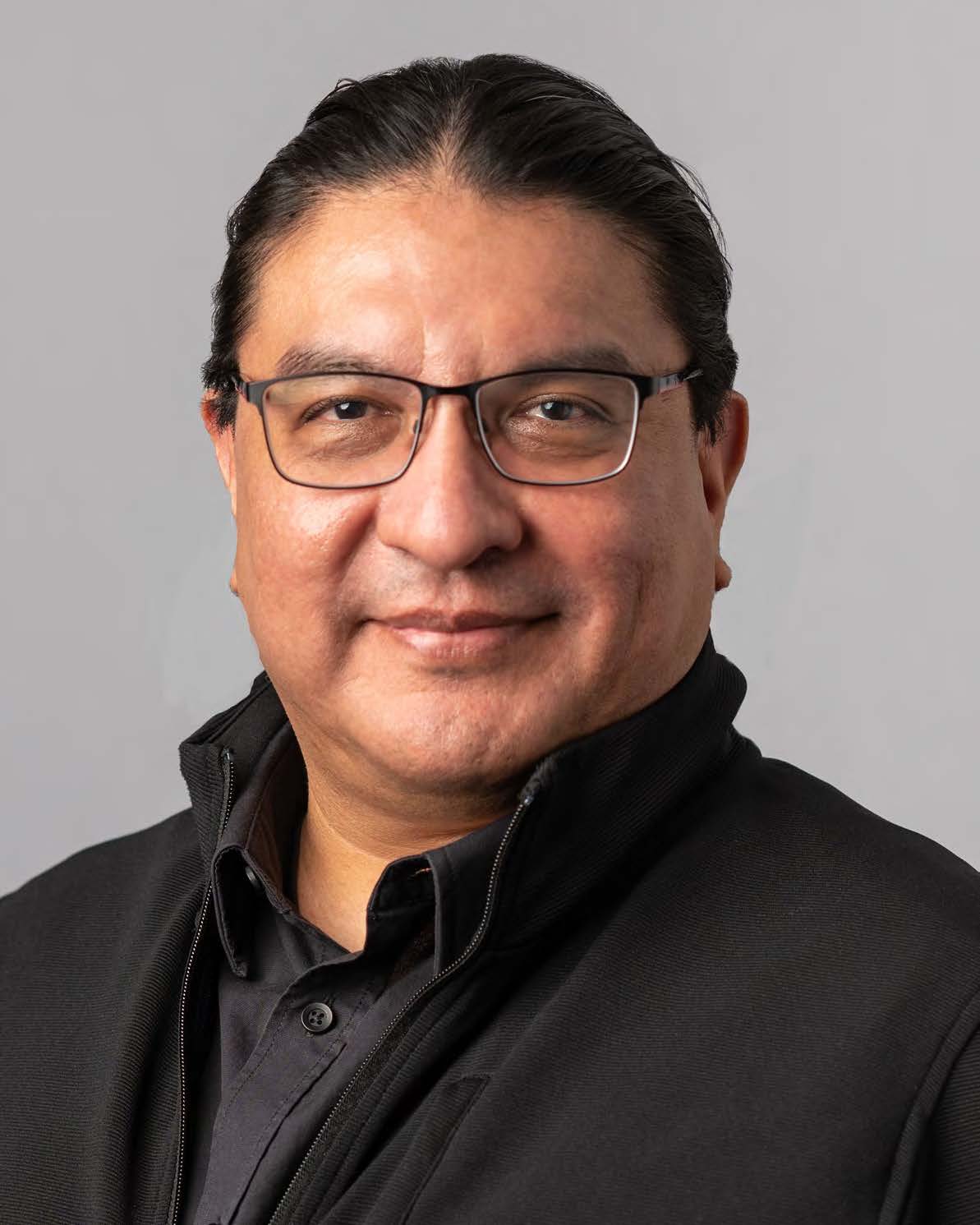
| Harley Eagle is Indigenous of Dakota & Ojibway ancestry originally from Saskatchewan. He has lived with his family at different times for over 25 years on Vancouver Island and is currently residing in the Traditional Territory of the K’ómoks Peoples. He is an Indigenous Cultural Safety consultant who facilitates workshops and sessions that explore and build a foundation of understanding that includes, an Indigenous perspective on Colonization, Addressing Systemic Racism & Trauma-Informed Practice. He also consultants with many organizations across several societal sectors to strengthen their Indigenous Cultural Safety capacity. |
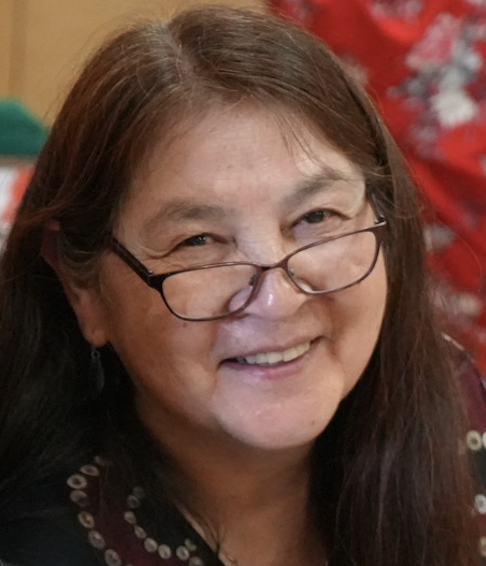
| Noelle Hanuse is from the Wuikinuxv and Klahoose Nations in BC and is from the Raven Clan. She currently resides on Laich-kwil-tach territory, which includes We Wai Kai and Wei Wai Kum. She has a daughter and son, four grandchildren and one great granddaughter. Noelle is a residential school survivor/thriver and a clinical counsellor in private practice. She also works for the Ne’nagwa’nakwala project, which is investigating children who never made it home from the St. Michaels Residential School in Namgis territory. Her background includes teaching meditation and yoga, facilitating workshops in Spiritual Parenting and Partnerships, Understanding Death and Passing, Holistic Energy Care, and other topics. She blends Indigenous ways of knowing and being with Eastern philosophy and finds they overlap in a seamless and beautiful way. |
This Level 1 workshop is available to practicing registered medical professionals who serve rural BC. Completion of Level 1 is a prerequisite for enrolling in Level 2 of this curriculum.
At the end of the workshop, participants will be able to:
- Name the systems of oppression that are the source of trauma in Indigenous communities and situate the responsibility of ongoing harm on these systems rather than pathologizing individuals.
- Embody and employ trauma-sensitive practices for offering health care rooted in cultural understanding and safety for Indigenous Peoples.
- Strengthen their understanding of ancestral land-based healing modalities that have supported trauma release since time immemorial.
- Identify polyvagal theory and its implications for supporting trauma recovery with Indigenous relatives.
- Deepen empathy and co-regulatory skills as a way of dismantling racism in the health care system and contributing to collective healing.
This webinar is for the professional development of health professionals. As an accredited learning activity, this session is intended to provide an environment that is conducive to presenting complex information, asking questions and the sharing of personal experience among colleagues.
The content is tailored to a medical audience and is not intended as public health communication. Any reproduction of the session or provided materials in part or full requires the explicit approval of UBC CPD. Interest from media can be directed to media.relations@ubc.ca.
The Division of Continuing Professional Development, University of British Columbia Faculty of Medicine (UBC CPD) is fully accredited by the Continuing Medical Education Accreditation Committee (CACME) to provide CPD credits for physicians. This activity is an Accredited Group Learning Activity (Section 1) as defined by the Maintenance of Certification Program of the Royal College of Physicians and Surgeons of Canada, and approved by UBC CPD. You may claim a maximum of 2.75 hours (credits are automatically calculated). This activity meets the certification criteria of the College of Family Physicians of Canada and has been certified by UBC CPD for up to 2.75 Mainpro+® Certified Activity credits. Each physician should claim only those credits accrued through participation in the activity.